Great Northwest gleanings
Some cool stuff I learned about people, places and fermented grape juice at the Northwest Wine Experience, by individual:
Chris Upchurch, DeLille Cellars
 On malbec: “For years I never could see malbec on its own. It seemed everything it had certainly was provided from one of the other grapes. And then I went to Argentina and discovered there that it could stand up by itself. … We have a saying at DeLille, ‘never forget about delicious.’ Made properly, malbec never forgets about delicious. … In Mendoza, they have high elevation and do extended maceration; they were doing six-week fermentations and even after that keeping it on the skins. Red Willow Vineyard is the highest elevation in Yakima, and we wanted to work to that Argentine aspect.”
David Merfeld, Northstar
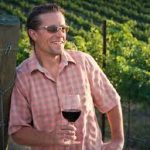 On Washington merlot: “We have huge diversity [in styles]. You can create all kinds of different wines. You can do a Bordeaux-style with lots of acidity, or go bigger Napa style. … We used to say that cab softens the merlot, but to me it rounds out the blend.”
Walter Gehringer, Gehringer Brothers
 On British Columbia’s wine evolution: “We went through a lot of hybrids. In the 1980s and ’90s, it was a lot colder; global warming is a reality, and it has helped us. … What our region is going to be famous for is yet to be determined. Cab sauv does really well, sauv blanc, that genetic works here.”
On his journey: “We studied Germany. It just made sense: same parallel, similar winters. … We spent several years evaluating microclimates before we picked our land. It’s 13 miles north of the [U.S.] border, west side of the [South Okanagan] Valley. We have longer days and get more fruit flavor. The photogenesis thing trumps the warmer thing.”
Tony Rynders, several Oregon wineries
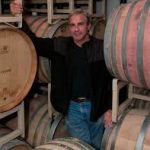 On Oregon conditions: PN needs a certain amount of stress to work … “We get about the same amount of moisture as Burgundy, but they get about the same [amount] every month. Our rain falls typically in winter and spring, and usually by early July it turns pretty arid. But be not afraid of rain because if you’re growing in Oregon, you’re going to get some. Mildew’s a problem every year. … Acidity is the lifeblood of pinot noir and something that’s very attainable in Oregon … 2014 was a wonderful year.”



 • For your lady’s birthday (or early Xmas) list: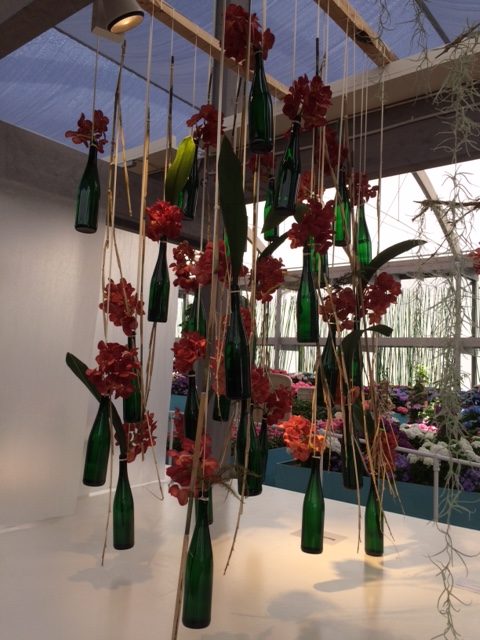
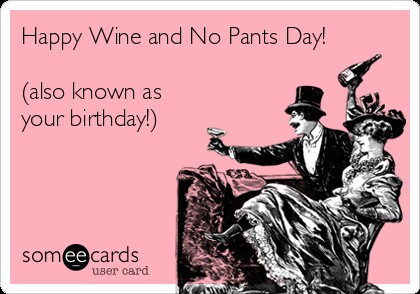
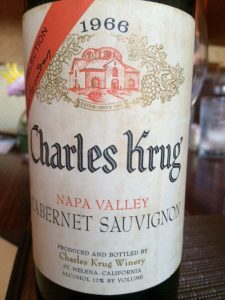 Cabernet Sauvignon is the safe, natural way to feel better and more confident about yourself and your actions. It can help ease you out of your shyness and let you tell the world that you’re ready and willing to do just about anything.
 delusions of grandeur, table dancing, headache, dehydration, dry mouth, and a desire to sing Karaoke and play all-night rounds of Strip Poker, Truth Or Dare, and Naked Twister.
 my favorite Oregon winemaker as well.
 His
His  • How it evolved: “Initially going into pinot noir as a cab/merlot guy was kind of intimidating. People say pinot is fickle and difficult, and it is all that. I did a lot of listening to winemakers and a lot of experimentation with stems, fermentation, clusters.”
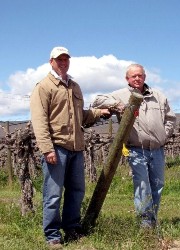
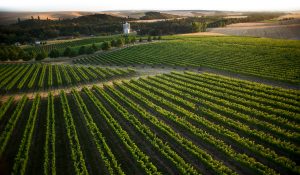 • Finding the vineyard for Figgins: “The day I found the site [left], I pulled the ‘for sale’ sign out of the ground and put it in the back of the truck. … We have super-deep soils, 30 feet of loess. And we’re in an area of Walla Walla that’s the backstop of the Blue Mountains, so we get 22 inches of rain a year, while other areas are getting as little as 4 inches.”
 After spending a fabulous weekend covering the Northwest Wine Encounter, I’m a bigger fan than ever. I
  “We’re almost certainly never gonna have a designation like Grand Cru in this country,” said vintner Chris Upchurch (left) of DeLille Cellars, “but if we did, there would not be a single argument that this would not be a Grand Cru vineyard. It’s got the soil, sun, exposure, but you can’t forget the people who work it. This is a real craftsmen elevating Washington state.”
 But the real exploring came when he hooked up with Associated Vintners’ David Lake, the only Master of Wine making wine in the U.S. at the time. “He had a European mentality,” Sauer said, “and wanted to emulate the great French wines. Instead of just doing cab or merlot, he wanted to find grapes that showed a sense of place.”
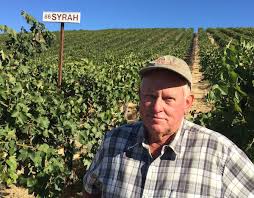 Along the way Sauer decided to focus strongly on two red grapes, neither of them nebbiolo. “I think we’re emulating some of the best places in the world with cab and syrah,” he said, “but I don’t think we’re gonna put Piedmont out of business.”
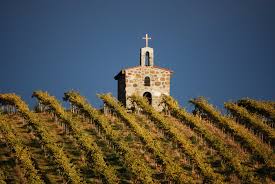 Perhaps they also are “blessed” by a fabulous chapel Sauer had built atop one of the blocks (left).
 • Westport Red Willow Vineyard “Captain Gray” Gewurztraminer ’16: gorgeous semi-subtle nose, juicy, vibrant, super-tasty tropical fruit.
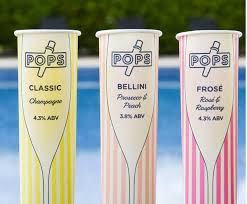 • In the meantime, I’ll seek out some rosé and Prosecco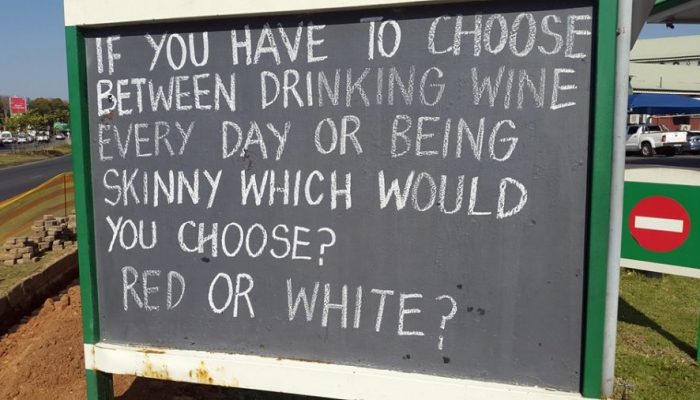
 • What the world has decidedly not been waiting for: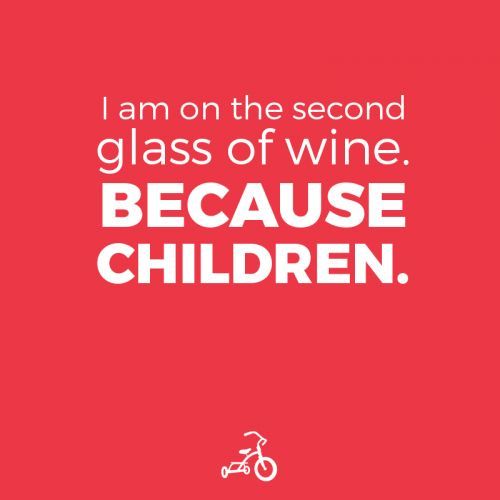
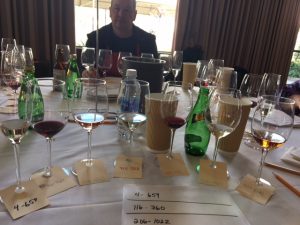 As we began our judging, Dame (left, behind our best-of-class sweepstakes flight), perhaps mindful of his reputation, quipped “oh, I left my cattle prod at home.” The rest of us on the panel laughed, and did so again early and often as we plowed through about 130 wines. Dame was a stone-cold delight, open with his knowledge and with his family life, warm and collegial.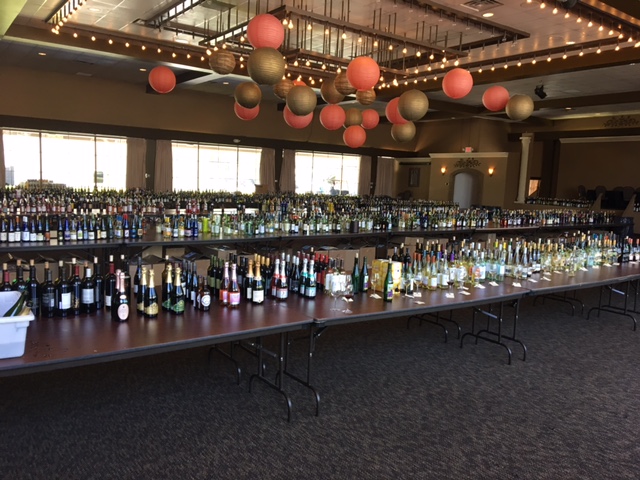
 • Wine and weed are pals, I’ve always maintained. And the estimable Eric Asimov